Click on Image to Enlarge
Reading the Summer Weather the Old-Fashioned Way
Heat, Thunder, and an Old Weather Stick
You can read all the weather maps you want, and I do my share of it, but sooner or later a person like me still ends up standing in the yard, watching the sky, watching the trees, and trusting what the day is trying to tell him.
This summer around Port Loring doesn’t have the look of an easy one. Not terrible every day, and not one of those summers where everything burns brown and stays that way, but not gentle either.
The weather people are talking about a big heat ridge building east of the Rocky Mountains. That is fancy talk for a wide stretch of hot air spreading out and making itself comfortable. Down in parts of the States, they may get the worst of it and they can keep those hundred-degree days. We don’t need any part of that.
But we won’t miss the heat entirely.
Here in Northern Ontario, we sit in a place where warm air can push up from the south, and cooler air can still come down from the north. When those two meet, things can get interesting in a hurry. That means sticky days, heavy air, thunderheads building over the bush, and rain that may come hard in one place and miss the next road over.
The grass will likely tell the story first.
A few dry days in a row and the high spots will start to pale. Sandy patches, thin soil, places where the sun hits from morning to supper, they always show it before the rest. Then a storm rolls through, drops a good soaking in twenty minutes, and suddenly everything smells green again.
Heat for a few days. Storms breaking it up. Dry spells between. Rain arriving in bunches instead of coming steady and easy.
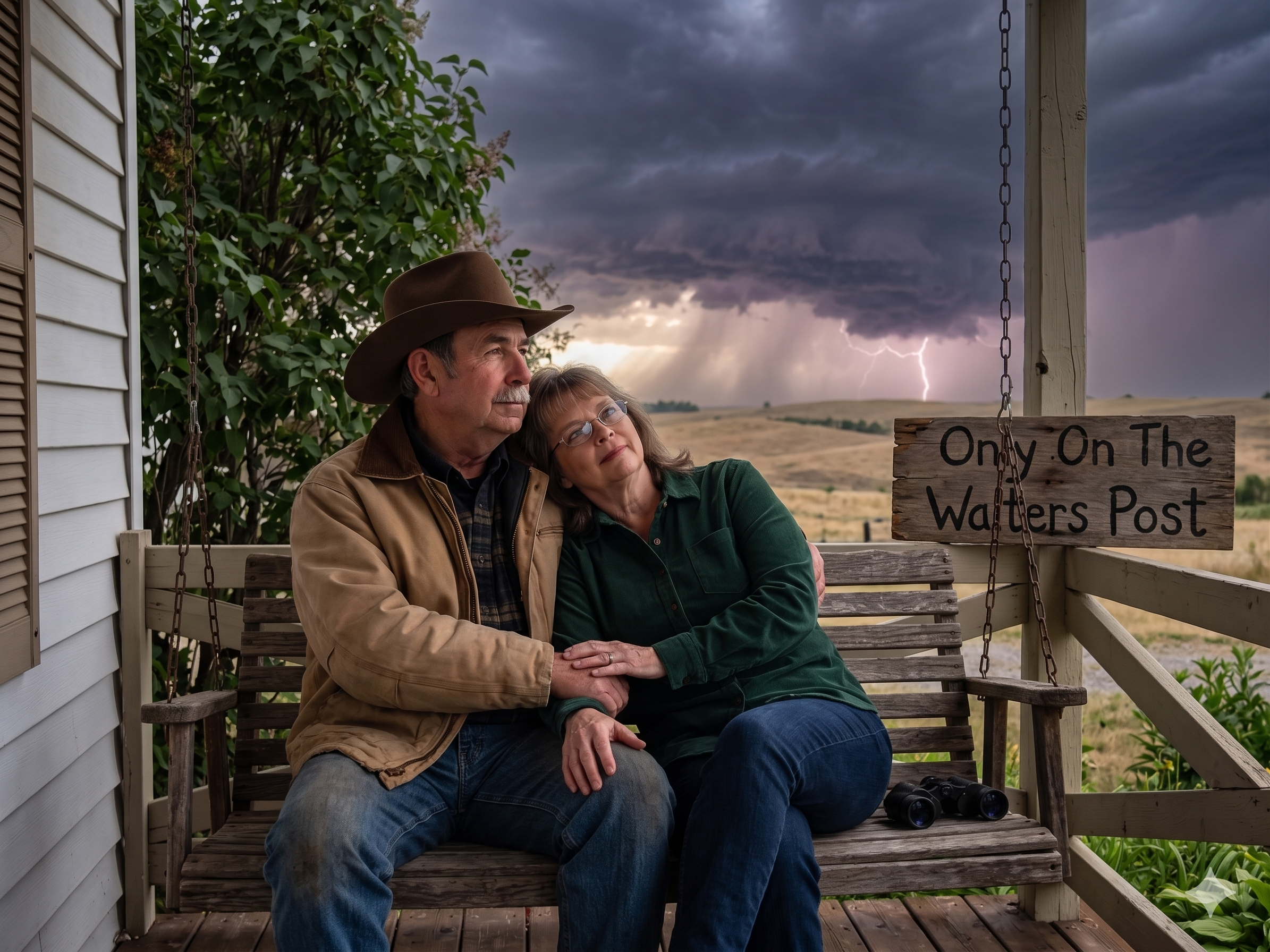
You might go half a week thinking the rain forgot where we live, then the sky turns dark over the trees. The wind shifts. Leaves show their pale undersides. The air goes still for a minute in a way that makes you pay attention. Then the rain comes across the yard like a curtain, rattling the roof, running off the driveway, and filling low spots that were dry an hour before.
Afterward, the sun comes out again, steam rises from the ground, and the mosquitoes act like they own the place. It seldom does one thing for long.
I still have a soft spot for the old signs. A weather stick. Birds going quiet. Swallows flying low. The smell of rain before it reaches the house. Those things don’t replace radar or forecasts, but they add something a map can’t. The old-timers had no computer models. They watched. They had to. A man with hay down, a woman with laundry on the line, a farmer with loose straw in the field, they learned to read the day before the day caught them.
For this summer, I’d say mornings will matter. If the day starts clear, still, and already warm, get what needs doing done early. Mow before the heat settles in. Cut what needs cutting. Move slower in the afternoon. Drink water before thirst reminds you. Up here, people sometimes think we are too far north for real heat to bother us, but summers have a way of proving a person wrong.
And watch the storms. Some will grumble off in the distance and never amount to much. Some will split around us, same as they often do. But one or two may come in mean, with wind, hard rain, and lightning enough to make you step away from the window. A storm doesn’t need a tornado with it to make a mess. Straight-line wind can lay trees down, toss lawn chairs, and flatten a garden quick enough.
The weather maps show the big picture. The old weather stick shows the little one. Between the two, a person can usually make a fair guess.
So I would say .. this summer for us here in the north it looks like one we’ll have to work around. Keep the mower ready, keep an eye on the sky, and don’t leave anything outside you don’t want blown into the neighbour’s bush. GW
All my books are available on my Amazon Author Page.
If you purchase a book, a brief Amazon review really helps new readers discover my work—it means a lot.
Support my writing: Support My Writing
In Closing, I Would Like to Wish You Well!
George Walters | [email protected]