
Cinnamon Biscuits

Desert For Later!

Click on image to enlarge!

Here’s a recipe for old-fashioned Cinnamon Biscuits that’s sure to delight your taste buds:

Ingredients:

  • 2 cups all-purpose flour
  • 2 tablespoons granulated sugar
  • 1 tablespoon baking powder
  • 1/2 teaspoon salt
  • 1/4 cup unsalted butter, chilled and cut into small cubes
  • 1 cup milk
  • 1 tablespoon ground cinnamon
  • 1/4 cup granulated sugar
  • 2 tablespoons unsalted butter, melted

Instructions:

  1. Preheat the oven to 425 °F (220 °C) and line a baking sheet with parchment paper.
  2. In a large mixing bowl, combine the flour, sugar, baking powder, and salt. Use a pastry cutter or your fingers to cut the butter into the dry ingredients until the mixture resembles coarse crumbs.
  3. Add the milk to the dry ingredients and stir until just combined. Do not over mix.
  4. In a separate small bowl, mix together the cinnamon and sugar.
  5. On a lightly floured surface, roll out the dough into a rectangle about 1/2-inch thick. Brush the melted butter over the surface of the dough and sprinkle the cinnamon-sugar mixture evenly over the top.
  6. Starting at the long edge of the rectangle, roll the dough up tightly into a log. Slice the log into 1-inch-thick rounds and place them onto the prepared baking sheet.
  7. Bake for 15–18 minutes, or until the biscuits are lightly golden brown on top. Serve warm.

Enjoy your delicious and aromatic Cinnamon Biscuits with a cup of coffee or tea, or enjoy them as a sweet snack any time of day. I know I am going to. GW

All my books are available on my Amazon Author Page.

If you purchase a book, a brief Amazon review really helps new readers discover my work—it means a lot.

Support my writing: Support My Writing

In Closing, I Would Like to Wish You Well!

George Walters | [email protected]
The Good Old Days Remembered

Let me know how many of you remember these old songs. I would like to hear from you. Truth be told, I can remember them all. Have a great day. GW

All my books are available on my Amazon Author Page.

If you purchase a book, a brief Amazon review really helps new readers discover my work—it means a lot.

Support my writing: Support My Writing

In Closing, I Would Like to Wish You Well!

George Walters | [email protected]

House Cleaning Years Ago

Farmers in the past had a different way of life compared to what we have today. One of the biggest differences was the way they kept their homes clean and fresh. Without the modern cleaning products and tools, they relied on their resourcefulness and ingenuity to keep their homes clean and free from pests. In this blog post, I will explore how farmers like myself years ago kept their house clean and fresh.

Sweeping and Dusting

Sweeping and dusting were the most common cleaning tasks in rural homes. Farmers used brooms made of twigs, corn husks, or straw to sweep their floors. Dusting was done using a damp cloth, which was dipped in water and wrung out. The cloth was then used to wipe down surfaces, including tables, chairs, and shelves.

Homemade Cleaning Products

Farmers didn’t have access to commercial cleaning products, so they made their own. One popular cleaning solution was made by mixing vinegar and water. This mixture was used to clean windows, mirrors, and countertops. Another homemade cleaning solution was made by mixing lye, water, and fat. This mixture was used to clean clothes and dishes.

Freshening the Air

Farmers kept their homes smelling fresh by using herbs and flowers. They would hang bunches of lavender, rosemary, or mint around the house to keep it smelling sweet. These plants also served as natural insect repellents. Some farmers would also burn dried sage or cedar in the fireplace to freshen the air.

Pest Control

Farmers had to deal with pests like mice, rats, and insects in their homes. They used various methods to keep these pests at bay. One popular method was to sprinkle Boric Acid earth around the baseboards to deter insects. Farmers also kept their homes clean and free from food scraps to prevent pests from being attracted to their homes.

Conclusion

Farmers in the past may not have had the modern cleaning products and tools we have today, but they managed to keep their homes clean and fresh using their resourcefulness and ingenuity. They swept and dusted their homes regularly, made their own cleaning products, freshened the air with herbs and flowers, and practiced pest control. These methods may seem outdated, but they are still effective today and can be used in our homes to keep them clean and fresh.

All my books are available on my Amazon Author Page.

If you purchase a book, a brief Amazon review really helps new readers discover my work—it means a lot.

Support my writing: Support My Writing

In Closing, I Would Like to Wish You Well!

George Walters | [email protected]

Vitamin D3

For years, I have emphasized the significance of obtaining vitamin D3 and its ability to safeguard against illnesses such as colds, flu, and other diseases. Here are some facts that I have discovered regarding this matter.

Vitamin D3, also known as the sunshine vitamin, is a vital nutrient that is essential for maintaining good health. It plays a critical role in many bodily functions, including bone health, immune system function, and inflammation regulation. While many people know that vitamin D3 is important for strong bones, they may not realize how vital it is for overall health, particularly in preventing colds, flu, and other diseases.

Numerous studies have linked low levels of vitamin D3 with a range of health problems, including increased susceptibility to infections. One of the primary ways that vitamin D3 helps protect against colds, flu, and other illnesses is by boosting the immune system. This nutrient helps to activate the immune system’s defenses, making it better equipped to fight off invading pathogens.

In addition to supporting the immune system, vitamin D3 also plays a crucial role in reducing inflammation. Inflammation is the body’s natural response to injury or infection, but when it becomes chronic, it can contribute to a range of health problems, including autoimmune diseases, heart disease, and cancer. Vitamin D3 helps to regulate inflammation by modulating the production of inflammatory cytokines, which are proteins that are involved in the body’s inflammatory response.

Studies have also shown that vitamin D3 can help reduce the risk of respiratory infections, including colds and flu. One study found that daily supplementation with vitamin D3 reduced the incidence of respiratory infections by 50% in people with low levels of this nutrient. Another study showed that vitamin D3 supplementation reduced the risk of influenza A by 70% in school-aged children.

While vitamin D3 supplementation can be beneficial for many people, it is especially important for those who are at higher risk of vitamin D3 deficiency. This includes people who live in northern latitudes, where sunlight is less abundant, and people with darker skin tones, who need more sunlight exposure to produce vitamin D3. Along with those working indoors.

In conclusion, vitamin D3 is a vital nutrient that plays a critical role in maintaining good health. It can help protect against colds, flu, and other diseases by boosting the immune system, reducing inflammation, and reducing the risk of respiratory infections. While getting enough vitamin D3 from sunlight and diet is ideal, supplementation may be necessary for some people, actually most people. So, next time you’re considering a flu shot, remember that vitamin D3 might be a better option for your overall health and immunity. And it would be a good idea to have it checked out to make sure where you’re at. I take 1000 IU every day, and so far I haven’t had a cold or flu now for over four years.

All my books are available on my Amazon Author Page.

If you purchase a book, a brief Amazon review really helps new readers discover my work—it means a lot.

Support my writing: Support My Writing

In Closing, I Would Like to Wish You Well!

George Walters | [email protected]

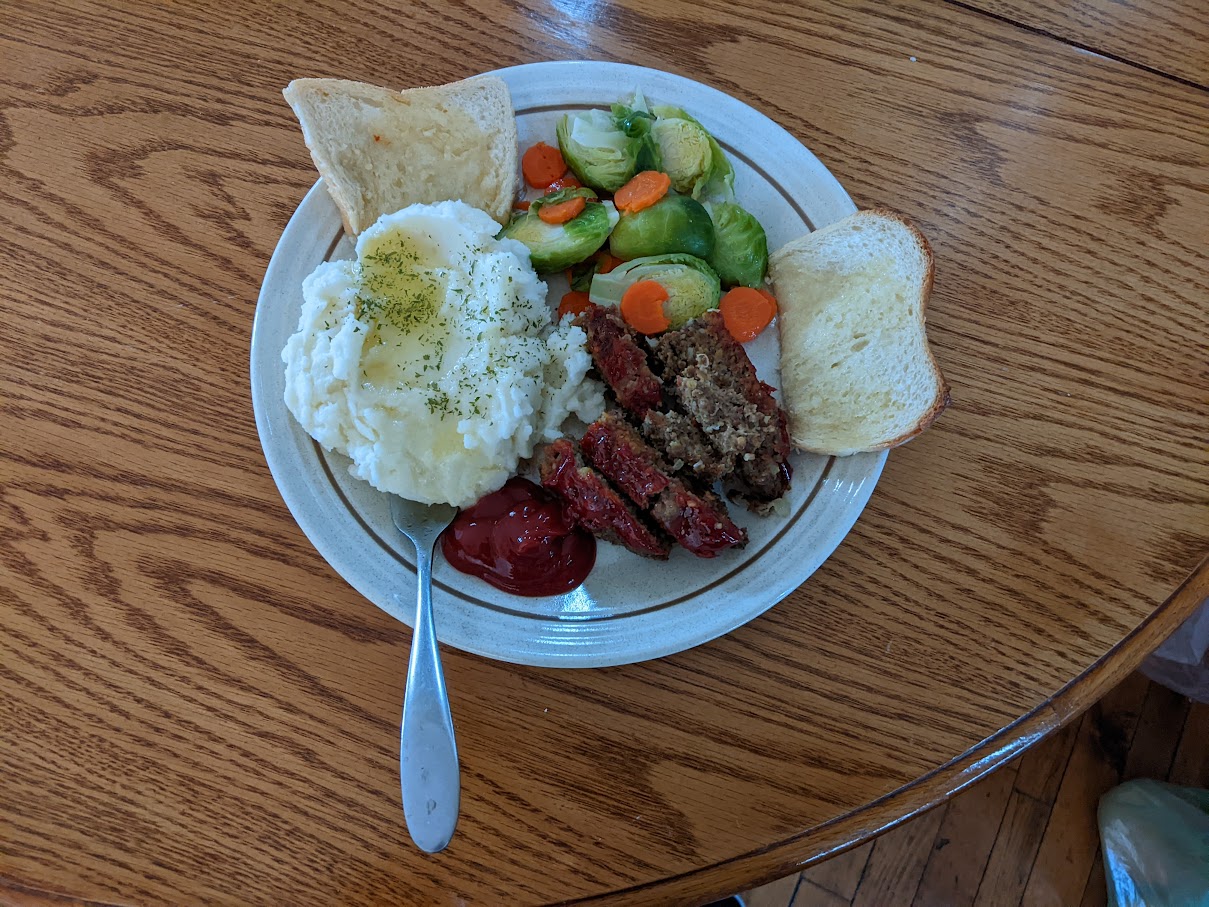
Supper Time

Click on image to enlarge!

Here’s a recipe for mashed potatoes with butter, Brussels sprouts with a few carrots, and meatloaf:

Ingredients:

  • 4 large potatoes, peeled and chopped
  • 4 tablespoons butter
  • 1/4 cup milk
  • Salt and pepper, to taste
  • 1 pound Brussels sprouts, trimmed and halved
  • 1 pound ground beef
  • 1/2 cup bread crumbs
  • 1 egg, beaten
  • 1 tablespoon Worcestershire sauce
  • 1/4 cup ketchup
  • Salt and pepper, to taste

Instructions:

  1. Preheat the oven to 375 °F (190 °C).
  2. Place the chopped potatoes in a pot and cover with water. Bring to a boil over high heat, then reduce to a simmer and cook until the potatoes are tender, about 15 minutes. Drain the potatoes and return them to the pot.
  3. Add the butter and milk to the pot with the potatoes, then use a potato masher or fork to mash the potatoes until they are smooth. Season with salt and pepper to taste.
  4. While the potatoes are cooking, steam the Brussels sprouts until they are tender but still slightly firm, about 8–10 minutes.
  5. In a mixing bowl, combine the ground beef, bread crumbs, beaten egg, Worcestershire sauce, ketchup, salt, and pepper. Mix until well combined.
  6. Press the meat mixture into a loaf pan, then bake in the preheated oven for 35–40 minutes, or until the meatloaf is fully cooked and browned on top.
  7. Serve the mashed potatoes, Brussels sprouts, and meatloaf hot, garnished with additional salt and pepper to taste. Enjoy!

All my books are available on my Amazon Author Page.

If you purchase a book, a brief Amazon review really helps new readers discover my work—it means a lot.

Support my writing: Support My Writing

In Closing, I Would Like to Wish You Well!

George Walters | [email protected]